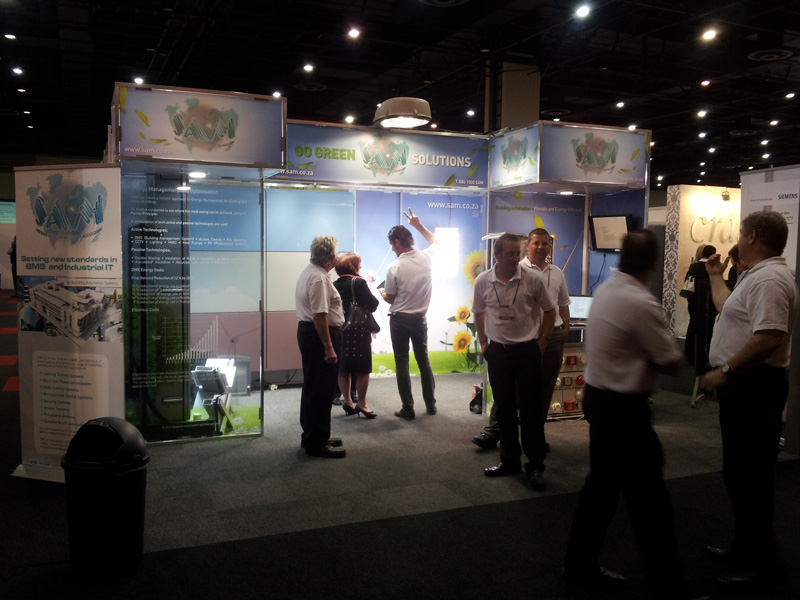
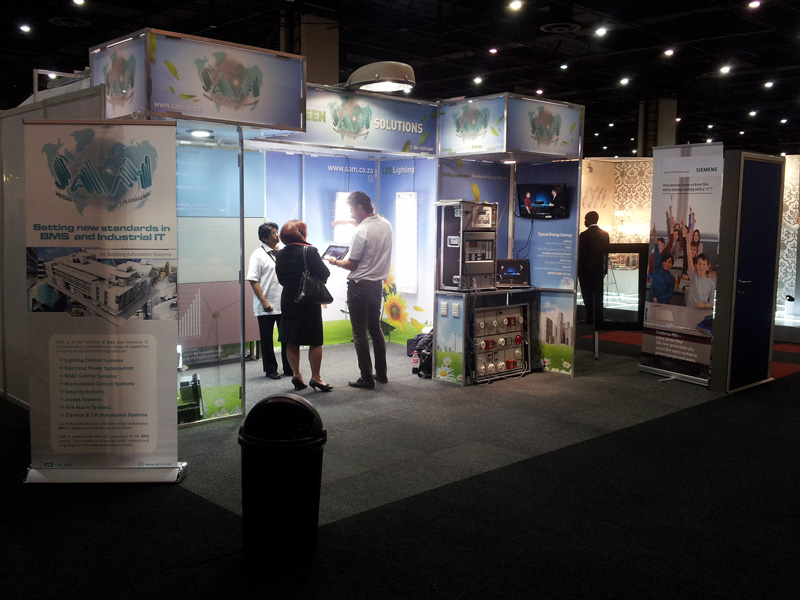
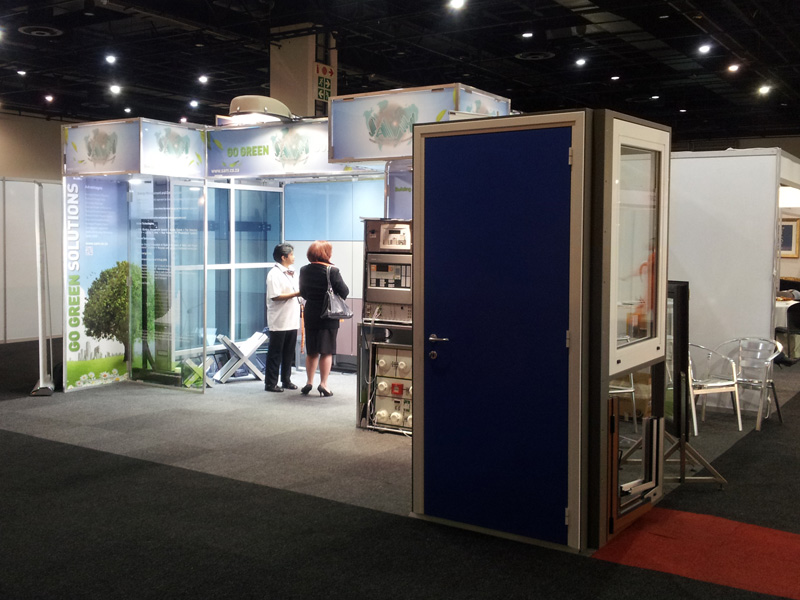
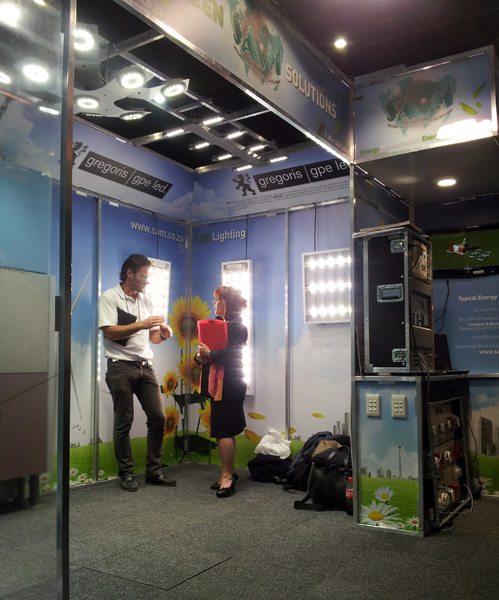
ENERGY MANAGEMENT & OPTIMISATION

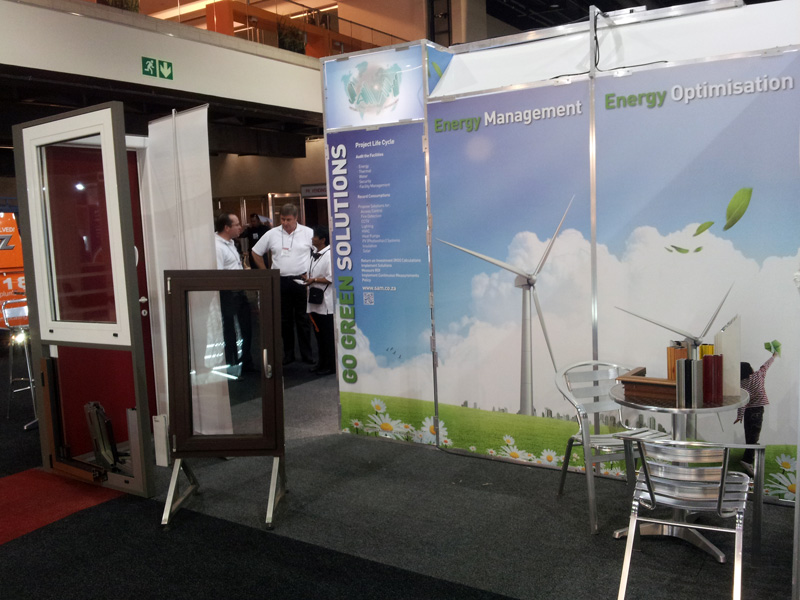
SAM has taken a holistic approach to Energy Management for existing and Green Buildings: An Audit is conducted to see where the most saving can be achieved, using the Pareto Principle. A combination of both active and passive technologies are used.
ACTIVE & PASSIVE TECHNOLOGIES
Active Technologies encompass;
BMS (Building Management System)
- Access Control
- Fire Detection
- CCTV
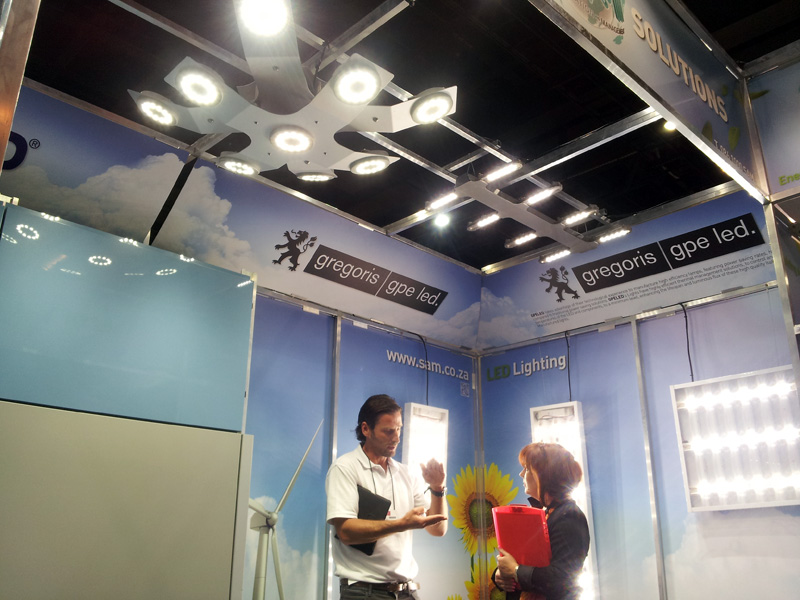
- Lighting
- HVAC
- Heat Pumps
- PV (Photovoltaic) Systems
Passive Technologies encompass;
- Double Glazing
- Insulation of roofs, walls and floors
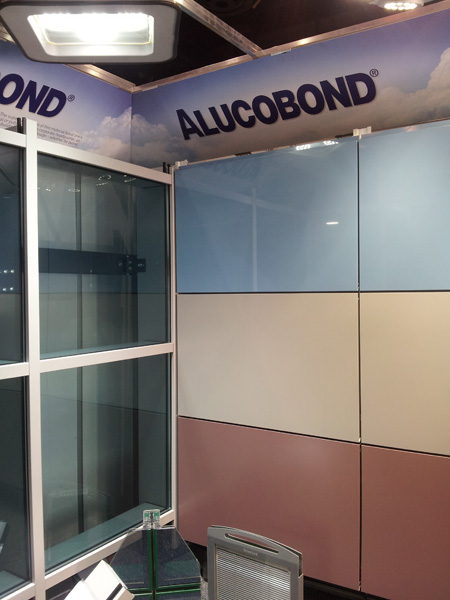
- Alucobond® insulation
- Recycled cork panels
- Exfoliated vermiculite
DME ENERGY GOALS
Final Demand Reduction of 12 % by 2015
- 15% reduction by 2015 of energy use in Industry & Mining
- 15% reduction by 2015 of "parasitic" electrical usage
- 15% reduction by 2015 of energy use Commercial & Public Building Sectors
- 10% reduction by 2015 of energy use in Residential Sector
- 9% reduction by 2015 of energy use in Transport
ELECTRICAL COSTS
Electricity Costs have doubled over the past three years
Electricity Cost will rise by an average of 16% p.a. for the foreseeable future
The compound effect means that electrical costs will become a major operational cost.
RISE IN COSTS GRAPH
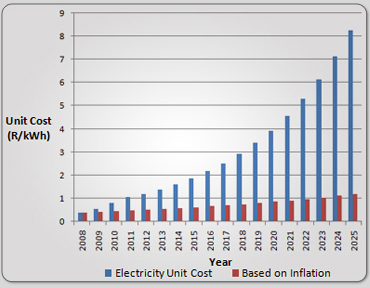
Electricity Cost will rise by an average of 16% p.a.
PROJECT LIFE CYCLE
AUDIT THE FACILITIES:
- Energy
- Thermal
- Water
- Security
- Facility Management
RECORD CONSUMPTION:
Propose Solutions for:
- Access Control
- Fire Detection
- CCTV
- Lighting
- HVAC
- Heat Pumps
- PV (Photovoltaic) Systems
- Insulation
- Solar
RETURN ON INVESTMENT (ROI) CALCULATION:
- Implement Solutions
- Measure ROI
- Implement Continuous Measurements Policy
TYPICAL ENERGY SAVINGS
-
Lighting - Up to 64% of Lighting cost
-
HVAC - Up to 30% of Heating/ Cooling costs
-
Insulation & Building Retrofit - Between 20%-50 % of Energy costs
-
Heat Pump - Up to 30% of Heating costs
-
Solar PV - Between 30%-80 % of Electrical costs


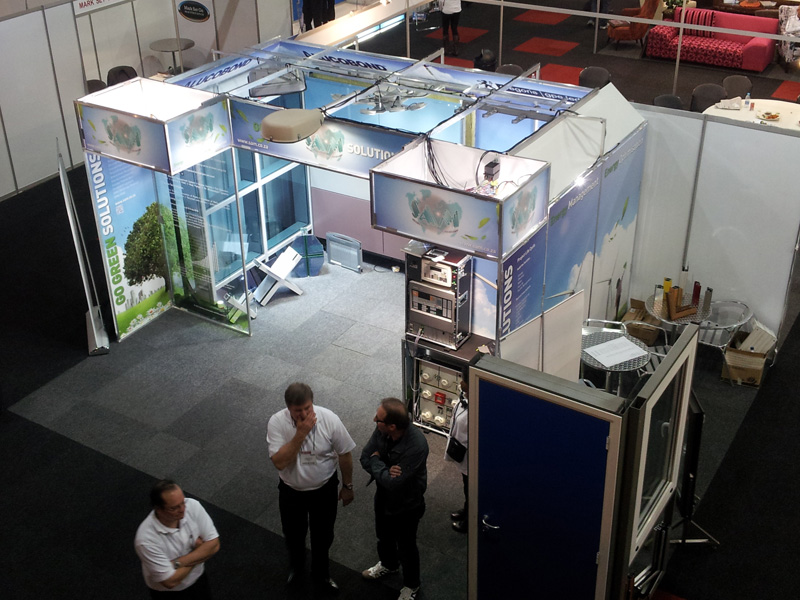
SAM GO GREEN PRODUCTS